
Preservation and restoration of biodiverse ecosystems and their services
Healthy ecosystems and their services provide the foundation for all human activities making them indispensible for achieving the Sustainable Development Goals (SDGs).
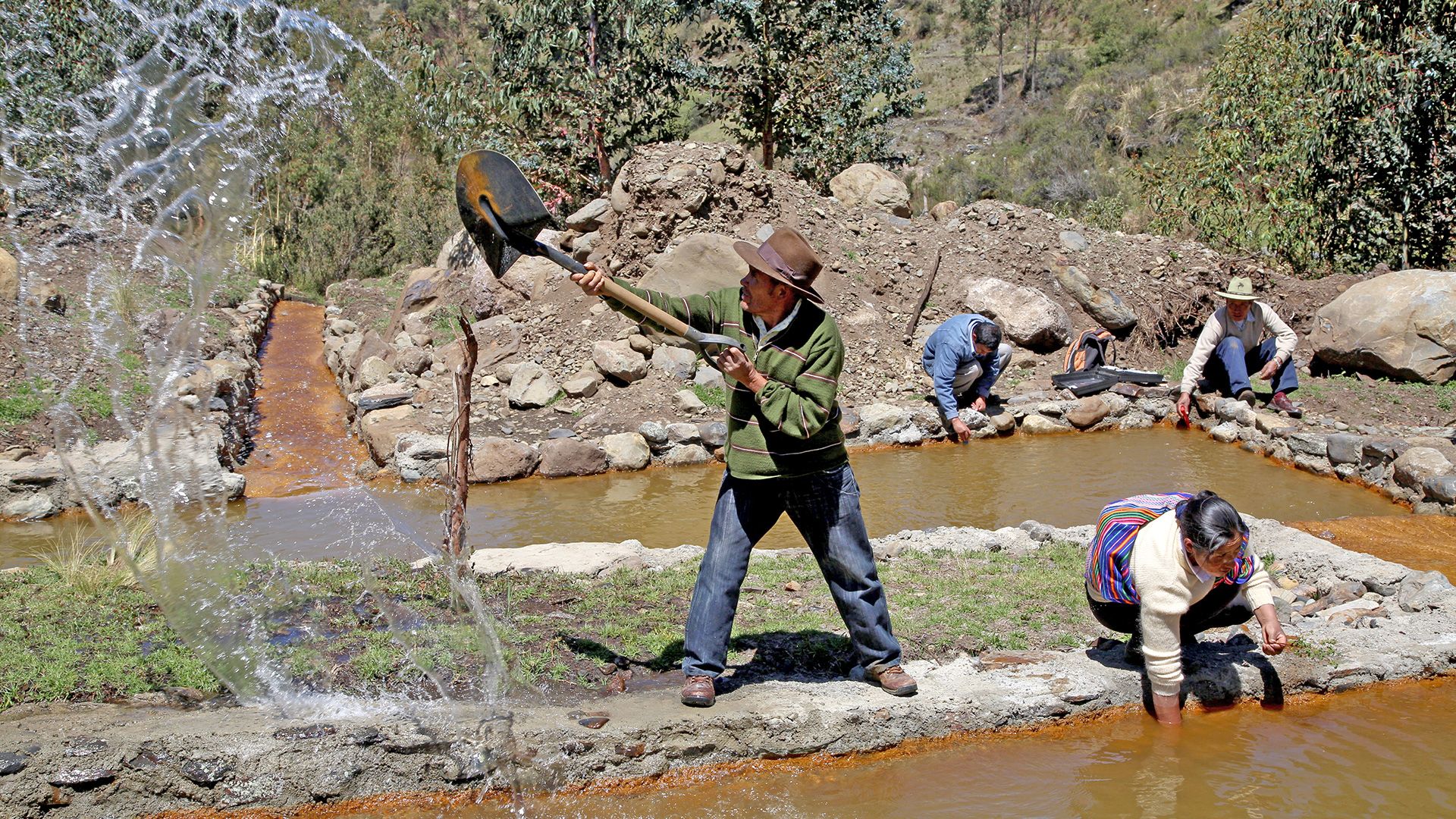
Healthy, biodiverse and resilient ecosystems and the ecosystem services they provide are the foundation of life on Earth, and thus also the basis of human health, well-being, livelihoods and economies. Yet, many of these ecosystems are increasingly overexploited and rapidly degrading, contributing to the straining or breaching of several planetary boundaries. The preservation, restoration, and sustainable management of ecosystems, including forests, wetlands and fragile mountain ecosystems, and the service they provide is vital. Furthermore, since healthy and sustainable ecosystems depend on the interaction of a wide variety of micro-organisms, plants, and animals, the promotion of biodiversity is crucial.
The SDC’s work in this thematic area follows a holistic, people-centred landscape approach with a special focus on biodiversity, and favours nature-based solutions and ecosystem-based adaptation and disaster risk reduction (Eco-DRR).
🧺Themes and focus areas
- Conservation and restoration of fragile ecosystems such as forests, wetlands, mountain ecosystems and pastures through economic incentives including the promotion of ecosystem services
- Promotion of ecosystem- and nature-based solutions such as community-based ecosystem and landscape management and conservation
- Payment for ecosystem services, nature finance
💡Project examples
- Gulf of Mottama Project, Myanmar: This project supports the conservation of the mudflat ecosystem of the Gulf of Mottama, one of the most important intertidal wetland systems in the world by strengthening climate change adaptation and providing vulnerable communities with sustainable livelihoods and markets.
- Living Landscapes for Market Development in Armenia: Mountain ecosystems in Armenia are an important productive asset for rural communities, but they are rapidly deteriorating due to inappropriate exploitation and management. Within a region-wide project that preserves the natural basis of life through more sustainable use of resources, the Swiss contribution supports economic incentives for the conservation of natural resources, while creating additional income.
- Landscape fire management in the Western Balkans programme: This programme aims to increase the resilience of Western Balkan forests and landscapes against fires to the benefit the people who depend on these landscapes for their livelihoods and socioeconomic development. It is regional in scope, working through national institutions and engaging a multiplicity of stakeholders, including at the local level, through thematic and policy dialogues, capacity building and actions at field level.
- Forests for People, Climate and Nature: Scaling social forestry: the project supports the UN-REDD Programme by securing local communities’ rights to manage and benefit from their forests – known as social forestry – which help tackle deforestation, poverty, and climate change. It promotes inclusive decision-making, access to climate finance and markets, and knowledge sharing to boost community forest management’s impact on climate and biodiversity.
Further Projects
- Landscape fire management in the Western Balkans programme
- Restoration of degraded ecosystems in the Sudanese refugee-hosting area in Eastern Chad
- BioCarbon Fund Initiative for Sustainable Forest Landscapes (BioCF-ISFL)
- Strengthening livelihoods and social inclusion in Georgia’s Forest Sector Reform
- Forest Restoration and Climate change in Armenia (FORACCA)
👓Further Resources
Related past events
Series: Trip around Rio
A learning journey to gain a deeper understanding of the importance of biodiversity and ecosystem services for international cooperation beyond nature conservation.
Thematic Event: Exploring the Potential of Nature-based Solutions for Sustainable Development
The CDE and Water networks of the SDC provided a floor on November 21, 2019 for discussing and learning more about the topic of "Nature-based Solutions for Sustainable Development"
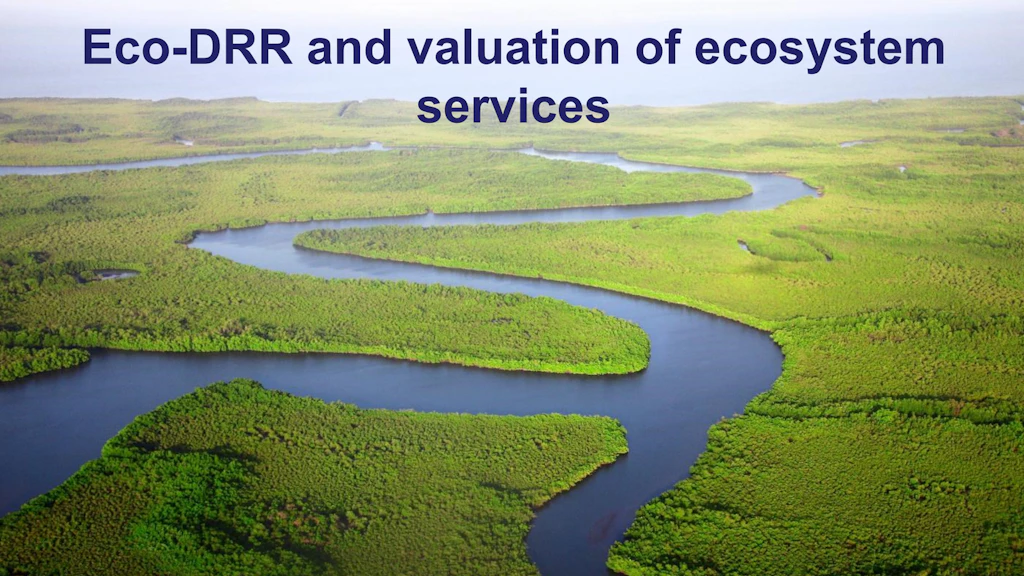
Webinar: Valuing Ecosystems in Disaster Risk Reduction
In the context of the Swiss humanitarian Aid Training, jointly organized with the DRR Network (now CDE Network), Nadia Zoudar provided on August 27, 2018 insight into how Ecosystems serve as a valuable source of resilience towards disasters. The role of ecosystems was embedded into the training’s overall topic of “Cost-Benefit of DRR measures"