
Strengthening GLOF Risk Management through Indo-Swiss Cooperation in Sikkim
Cryosphere-related hazards in the Hindu Kush Himalaya are evolving, posing growing risks to communities far downstream. In Sikkim, India, Swiss and Indian partners have joined forces through the SCA-Himalayas project to strengthen the understanding, monitoring and management of Glacial Lake Outburst Flood (GLOF) risks.
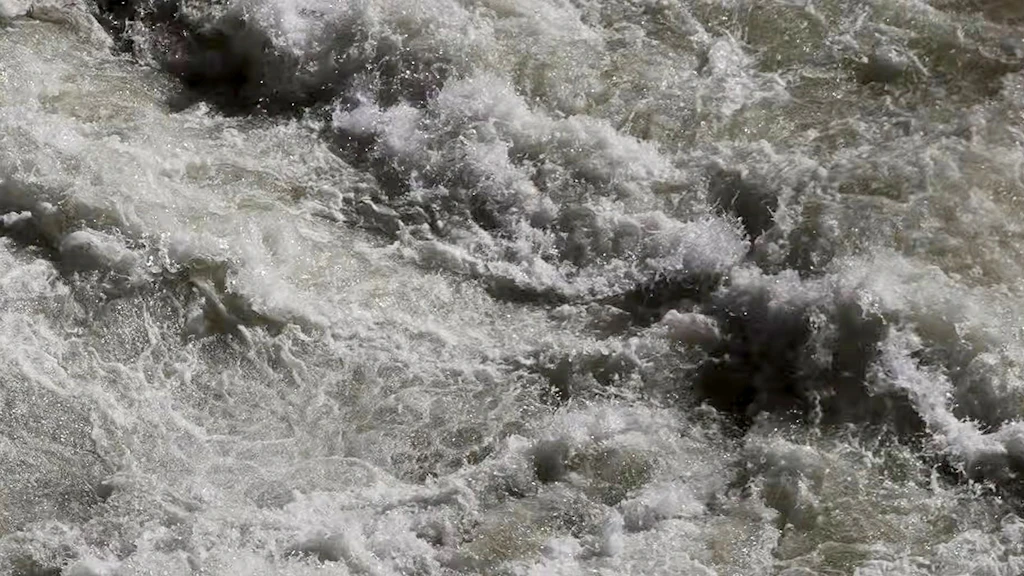
Cryosphere-related hazards in the Hindu Kush Himalaya are becoming increasingly frequent and visible, with impacts that can extend far downstream. This has been tragically demonstrated by the recent devastating floods in Nepal and China.
Among the evolving hazards associated with changing mountain environments in the Hindu Kush Himalaya are Glacial Lake Outburst Floods (GLOFs). Over the past several years, Switzerland and Indian partners have been working together to strengthen the scientific understanding of GLOF risks and build practical foundations for risk management.
Under the SCA-Himalayas project, the collaboration brought together the National Disaster Management Authority (NDMA), Sikkim Department of Science and Technology (DST) and Sikkim State Disaster Management Authority (SSDMA) on the Indian side, with Swiss scientific and technical partners including a consortium comprising Geotest, University of Zurich, Geoprevent and University of Geneva. Together, the partners worked to strengthen scientific understanding of GLOF risks, demonstrate advanced monitoring approaches, and support institutional capacity for GLOF risk management.
The work established important foundations for longer-term GLOF risk management in Sikkim, from strengthening the assessment and monitoring of high-risk glacial lakes to developing approaches for preparedness. It also strengthened collaboration and exchange between Indo-Swiss institutions.
The experience, including that gained following the 2023 South Lhonak GLOF, highlighted the importance of looking beyond monitoring towards a more comprehensive approach to GLOF risk management, including early warning, institutional coordination and preparedness. These lessons can provide a basis for exploring further areas of cooperation in Sikkim and the wider region.
The short film “GLOF Risk Management in Sikkim” captures this partnership and the practical work undertaken through SCA-Himalayas. It illustrates how Swiss and Indian scientific, technical and institutional expertise has been brought together to develop approaches relevant to the Himalayan context and strengthen the foundations for longer-term disaster risk management.
As cryosphere-related hazards continue to evolve, sustained cooperation in science, monitoring, early warning and preparedness will remain essential to advancing understanding, strengthening resilience and supporting effective decision-making at regional, national and local levels.