
Integration of C/D/E in other topics (mainstreaming)
C/D/E is mainstreamed and systematically integrated into development and humanitarian programmes and projects of SDC and its partners for risk-proofing and reducing potentially harmful impacts.

Since 2019, risks and impacts related to C/D/E must be systematically incorporated into the SDC’s cooperation frameworks and operations. The starting point is a comprehensive C/D/E risk and impact screening through the Climate, Environment and DRR Integration Guidance (CEDRIG) tool. This reduces the risk of doing harm and opens opportunities to mainstream C/D/E into SDC activities and to create co-benefits where appropriate. For the latter, the SDC focuses on several topics including water, energy, agriculture, food systems, health, education, gender and governance.
In addition to these direct and evident links, C/D/E affects many other topics, often in complex, indirect ways in combination with other drivers. Such secondary effects of C/D/E can affect the economic and cause or exacerbate migration, displacement, and protection risks, and can ultimately undermine peace and security. C/D/E risks and impacts can exacerbate food, water and livelihood insecurity, with cascading effects including increased competition over natural resources or social disruptions, which in turn might increase tensions and eventually lead to conflict or instability.
Secondary effects are often induced by direct C/D/E impacts on primary sectors such as water or food (lack of water for agriculture, flooding), but attributing such secondary effects to C/D/E might be difficult, as a direct correlation is often absent. In addition, the response involves actors with different core competence (in migration, human rights protection, humanitarian aid or peacebuilding). Nevertheless, it is of prime importance to consider the potential impact of C/D/E in these areas from the onset, ideally as part of a systematic C/D/E screening through CEDRIG or an equivalent C/D/E screening tool. Useful additional information for C/D/E screening can be found in the SDC climate foresight analysis and in the Thematic Integration Briefs.
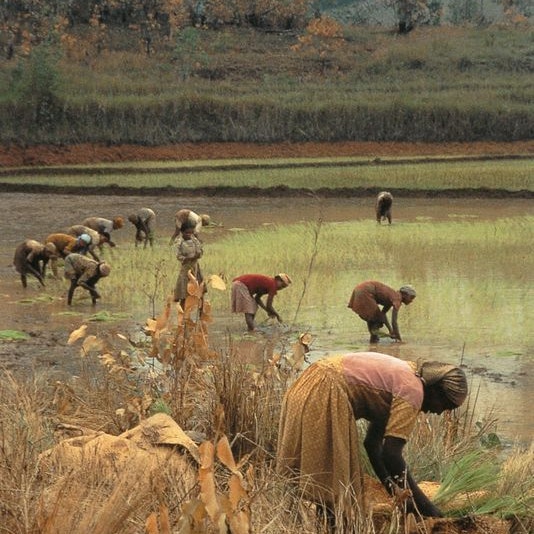
Water, agriculture and food systems
💡Project examples
- to be added
👓Further resources
Thematic Integration Brief on Food Systems
Climate, Environment, DRR and Food Systems
Note thématique d’intégration sur les systèmes alimentaires
Climat, RRC et environnement et systèmes alimentaires
Nota temática de integración: Sistemas alimentarios
Clima, RRD y Medio Ambiente … y sistemas alimentarios
Thematic Integration Brief on water management systems
This Thematic Integration Brief offers practical advice on integrating climate, disaster risks and environment aspects into the management of water systems.
Note thématique d’intégration sur les systèmes de gestion des eaux
La présente note thématique d’intégration donne un aperçu complet mais non exhaustif des interconnexions entre les systèmes de gestion de l’eau et le climat, les risques de catastrophe et l’environnement.
Nota temática de integración: Agua
Clima, RRD y Medio Ambiente ... y sistemas de gestión del agua
Nexus Brief 08: The Climate-Cryosphere-Water Nexus in Central Asia
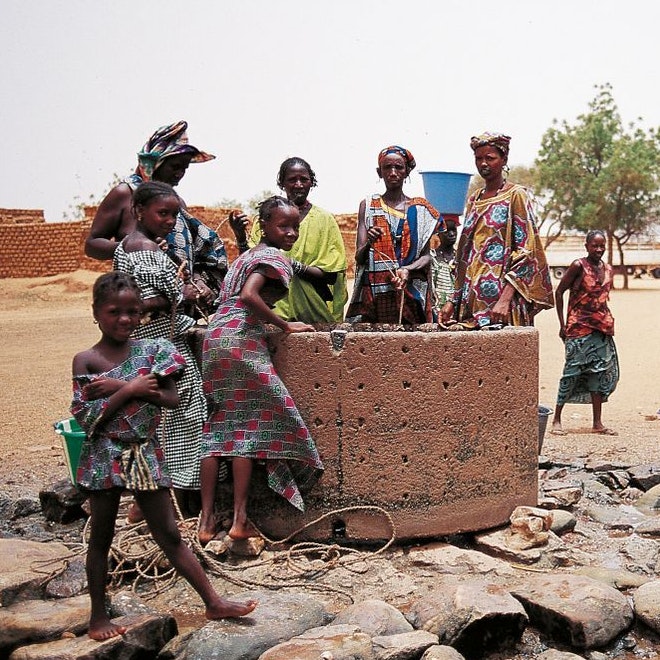
Health
💡Project examples
- to be added
👓Further resources
Thematic Integration Brief on the health sector
A non-exhaustive compilation of the relationships between human health and health systems, and climate change, disaster risk (from natural hazards), and the environment (C/D/E).
Note thématique d’intégration sur le secteur de la santé
Une compilation (non exhaustive) des corrélations entre la santé humaine, les systèmes de santé et le changement climatique, l'environnement et les risques de catastrophes.
Nota temática de integración: Salud
Clima, RRD y Medio Ambiente … y el sector de la salud
The SDC's engagement for clean air for all - Strategies Publication
Nexus Brief 03: Health
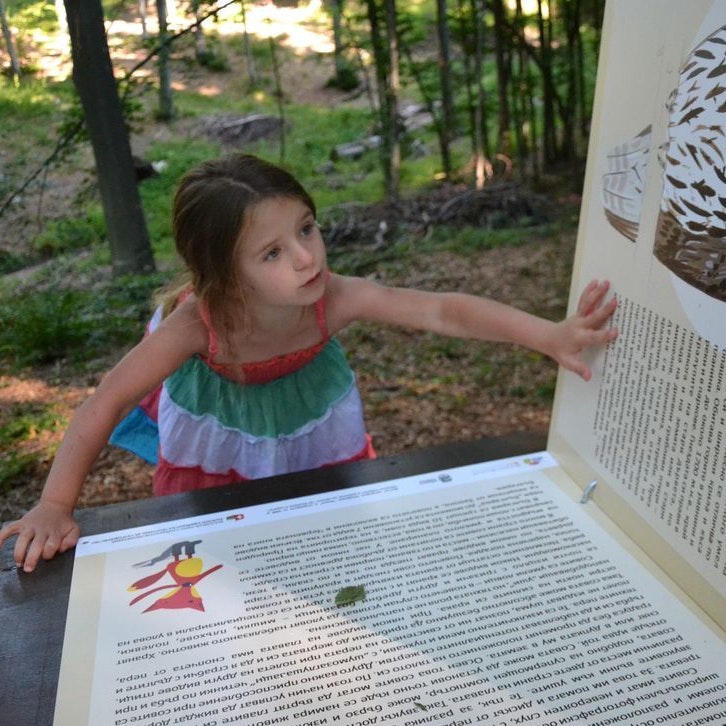
Education & green skills
💡Project examples
- to be added
👓Further resources
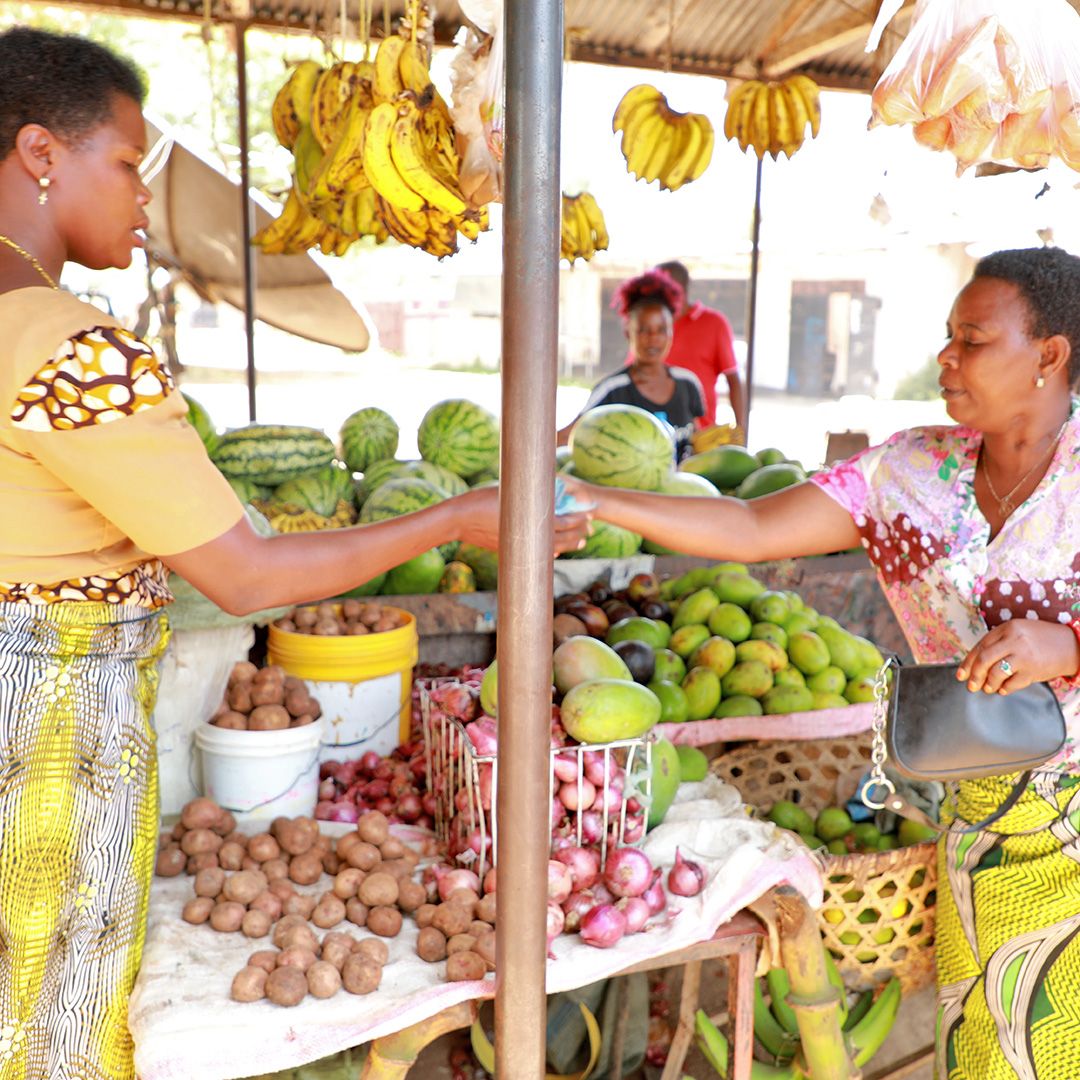
Green economy
💡Project examples
- to be added
👓Further resources
- SDC Network Economy and Education
- Inclusive green development (E+E Network)
- Input paper on green skills
Peace and security, conflicts and fragility, governance, gender
💡Project examples
- to be added
👓Further resources
Thematic Integration Brief on Gender
Climate, DRR, Environment, and Gender Equality
Note thématique d’intégration : Genre
Climat, RRC et environnement... et égalité des genres
Nota temática de integración: Igualdad de género
Clima, RRD y Medio Ambiente … y la igualdad de género
Thematic Integration Brief on Governance
Climate, Environment, DRR and Governance
Note thématique d’intégration sur la gouvernance
Climat, RRC, environnement et gouvernance
Nota temática de integración: Gobernanza
Clima, RRD y Medio Ambiente … y gobernanza
Guidance Sheet: Gender, Climate Change and Disaster Risk Reduction
Nexus Brief 05: Fragility and Conflict
Migration
💡Project examples
- to be added
👓Further resources
Thematic Integration Brief on Migration and Displacement
This Thematic Integration Brief discusses interrelations between migration and displacement and climate change, disasters and environmental issues.
Note thématique d’intégration sur les migrations et déplacements
La présente note thématique d’intégration fournit un inventaire (non exhaustif) des éléments susceptibles de relier les migrations et les déplacements au changement climatique, aux catastrophes et aux problèmes environnementaux.
Nota temática de integración: Migración
Clima, RRD y Medio Ambiente ... y migración y desplazamiento
Humanitarian aid
💡Project examples
- Localization of Environment in Humanitarian Action Project aims to capacitate local actors to consider environment and climate in humanitarian response through locally adapted trainings and training materials following thereby a Training of Trainers approach and supporting the establishment of local communities of practices.
- Restoration of degraded ecosystems in the Sudanese refugee-hosting area in Eastern Chad: Promotion of peaceful cohabitation between local and displaced communities based on joint rehabilitation of overexploited natural resources (forest, pasture, soil and water), thereby creating livelihoods, income opportunities and contributing to resilience of communities (low-cost climate change adaptation measure).
- The Geneva Technical Hub aims to improve the lives of displaced people and their host communities by enhancing the quality of technical programming in environment and climate, energy, DRR, shelter/housing, settlement planning and WASH. Thereby increasing the sustainability of HA and increasing people’s resilience.
- Standby partner agreement with the UNEP/OCHA Joint Environment Unit for providing emergency secondments from Swiss Humanitarian Aid Unit’s expert pool for environment crisis such as HazMat accidents i.e. industrial waste accident in former Soviet Union (Armenia &Ukraine).
👓Further resources
- Common Donor Priority Actions for Greening Humanitarian Aid (adopted by SDC)
- UNEP/OCHA’s Environment in Humanitarian Action Network
- Sphere: Reducing Environmental Impact in Humanitarian Response
- Thematic Brief on Greening Humanitarian Aid (coming soon)
- Humanitarian Competency Centre Concept (soming soon)
- Climate and Environment Charter for Humanitarian Organizations
- Humanitarian Aid Donor’s Declaration on Climate and Environment
- SHA Expert Group DRR, Environment and Climate Concept 2023 – 2026
- Green Humanitarian Assitance
- Strengthening risk analysis for humanitarian planning UNDRR 2023
Index
Contact
Swiss Agency for Development and Cooperation SDC
Eichenweg 5
3003 Bern
Switzerland