Integrated Disaster Risk Management
Safety from extreme events including slow-onset events is of prime importance for sustainable development and is addressed through an integrated approach, covering all stages of a disaster management cycle (prevention, preparedness, response and recover).
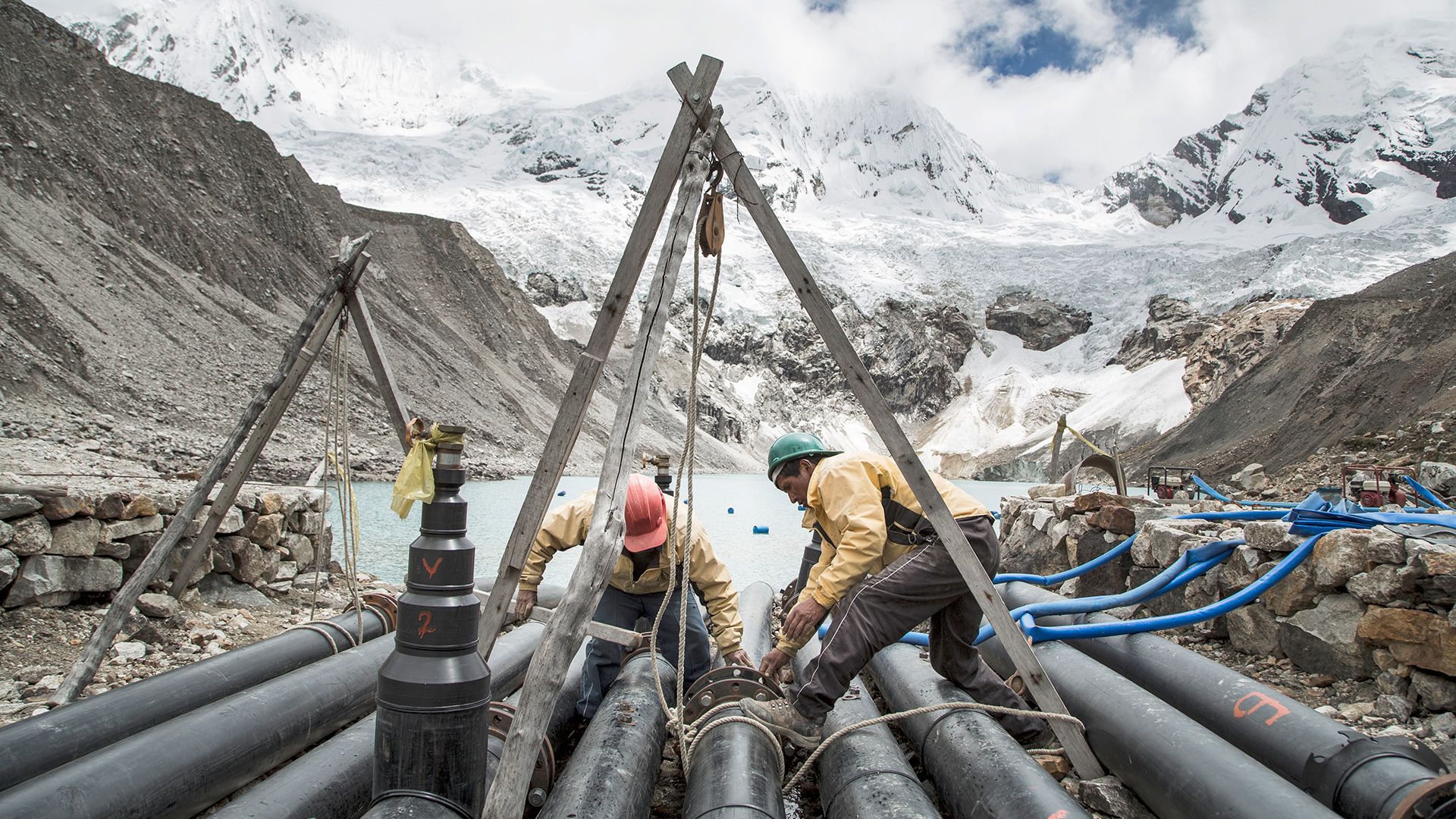
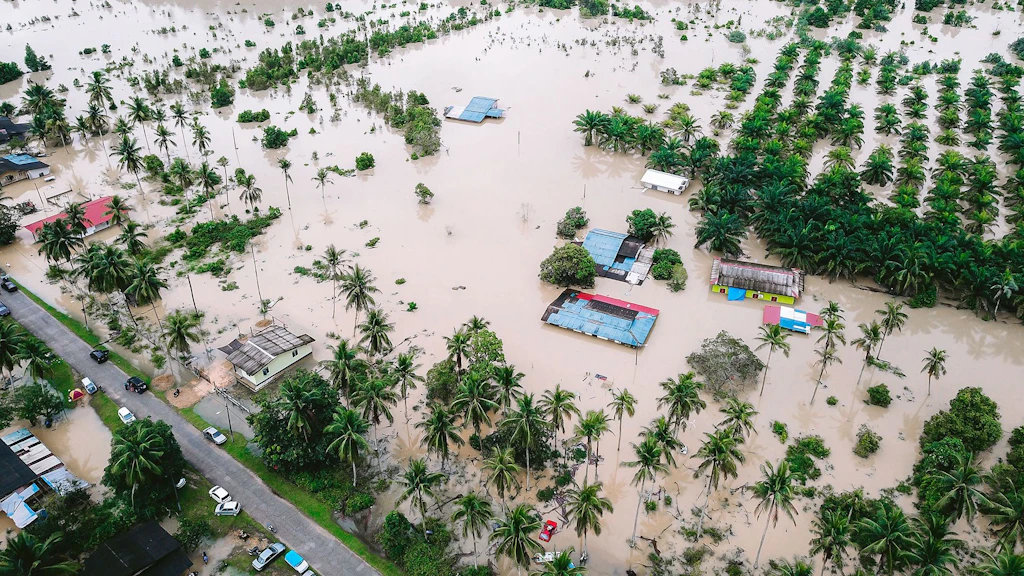
Integrated Disaster Risk Management (IDRM) focuses on safety from extreme events such as floods, earthquakes, landslides, glacier lake outburst floods, heatwaves, droughts, fires, and slow-onset events such as sea level rise or glacial retreat. Some elements of IDRM show potential for synergies with entry points to climate change adaptation, which is largely covered by the thematic priority, “Adaptive and sustainable management of natural resources”. Such synergies need to be exploited where appropriate, for example by strengthening climate services and setting up early warning systems. In addition, working in IDRM may open other interfaces with humanitarian work that are not covered in this working aid, but should be kept in mind.
On IDRM, the SDC promotes a focus on the stages that typically occur before, during and after disasters caused by natural hazards (prevention, preparedness, response management, and recovery). The focus on preparedness and prevention is particularly important given that every USD invested in prevention can save up to 15 USD in post-disaster recovery. This approach has the potential to include new considerations such as the losses and damages discussed under the UNFCCC.
🧺Themes and focus areas
- Climate and weather services for disaster risk management
- Natural hazards and risk assessment
- Prevention to avoid future risks and prevent losses through land-use planning
- Preparedness to reduce impacts of an event through early warning systems
- Emergency response to reduce impacts of a disaster
- Recovery to restore activities and services through appropriate reconstruction models
- Risk sharing and transfer to absorb risks; micro-insurance
- Institutional development, strengthening of national authorities
💡Project examples
- Strengthening GLOF Risk Management through Indo-Swiss Cooperation in Sikkim: Among the evolving hazards associated with changing mountain environments in the Hindu Kush Himalaya are Glacial Lake Outburst Floods (GLOFs). This project brought together Indian and Swiss scientific, technical and institutional expertise to strengthen the understanding and management of Glacial Lake Outburst Flood (GLOF) risks in Sikkim. The project supports the assessment and monitoring of high-risk glacial lakes, strengthens preparedness and institutional capacities, and contributes to the development of approaches for early warning and GLOF risk management.
- Anticipatory Action in the Andes: This project is aimed at strengthening the capacity of Andean countries and communities to cope with risks such as landslides, heavy rainfall, and floods in Peru, Bolivia, and Ecuador. To achieve the project promotes the integration of protocols and mechanisms for anticipatory action into disaster risk management processes at the national and local levels, working in coordination with existing early warning systems.
- Contribution to the Multi-Donor Trust Fund of the Africa Disaster Risk Financing Programme: Switzerland intends to facilitate access to subsidies for the payment of natural disaster insurance for at least an additional 15 African countries. Effective contingency plans provide for insurance payouts of up to USD 5m per event – managed by the African Risk Capacity Group – to allow governments to respond in a timely and effective manner to the needs of their populations in case of disaster.
- National Flood Risk Mapping Programme, Jordan: This project supports the development of a national methodology for flood risk assessment ensuring appropriate DRR measures (land use planning, flood protection measures, early warning systems).
Further Projects
- Bangladesh Micro-insurance Market Development Programme
- Climate Risks and Early Warning Systems Initiative (CREWS)
- Contribution to the Global Network of Civil Society Organisations for Disaster Reduction (GNDR)
- Indonesia: SDC Direct Action, MoU Disaster Management Implementation
- Rural Communities’ Disaster Risks and Climate Change Resilience (Phase 2)
- Strengthening Climate Change Adaptation in Himalayas (SCA- Himalayas)
👓Further Resources
- The Sendai Framework for Disaster Risk Reduction 2015-2030
- The Geneva Call for Disaster Risk Reduction: The Co-Chairs' Summary of the Global Platform 2025
- Natural Hazards Portal of the FOEN
- PreventionWeb: the knowledge platform for DRR professionals
- Nexus brief 08: The climate-cyrosphere-water nexus in Central Asia
- SDC DRR Network Newsletter n° 2 / July 2021: Early Warning – Early Action: Shifting from emergency response to anticipatory action
- SDC DRR Network Newsletter n° 3 /December 2019: Risk and Resilience