Independently of whether C/D/E is mainstreamed or targeted, interventions can include and combine different action lines such as governance, finance, and concrete actions on the ground as well as awareness raising and capacity building. Some characteristics of these action lines are outlined below through a C/D/E lens and illustrated with a few examples.
C/D/E policy and governance (incl. multilateral engagement)
Policy frameworks and their enforcement through good governance are essential for addressing the risks and impacts of C/D/E challenges. To this end, the SDC engages at global, national, and sub-national levels to promote fair and ambitious policies, as well as their effective implementation. Contributing to the development of global frameworks—such as the UNFCCC and the Sendai Framework—is just as important as translating these into national policies and ensuring their enforcement. Swiss expertise, scientific evidence, and insights from SDC projects play a vital role in shaping policy and strengthening governance.
Participating in international negotiations and influencing international norm-setting of relevant international frameworks (UNFCCC and the Paris Agreement, the Sendai Framework for DRR, Climate and Environment Charter for humanitarian organisations, Chairmanship of the Strategic Advisory Group of the UNEP/OCHA Joint Environment Unit, Humanitarian Aid Donor’s Declaration on Climate and Environment).
Supporting the translation of international policy commitments into national policy, planning and action at the country level (the Nationally Determined Contributions (NDCs) as the heart of the Paris Agreement, national climate change mitigation and adaptation strategies and plans, national and local DRR plans and strategies, support for concrete projects such as the “Localisation of Environment in HA” capacity building project).
Supporting the development and implementation of appropriate institutional arrangements at national, sub-national and local levels to address C/D/E challenges (inter-ministerial working groups, national DRR platforms and structures, designated DRR managers)
C/D/E practice / projects
The implementation of concrete activities on the ground is a core element of SDC interventions in C/D/E. In addition to concrete benefits, such measures also provide first-hand experience in informing policies and strategies at the national and global levels. Concrete measures can either be directly targeted and focused on C/D/E concerns, with C/D/E being the principal activity of a project or programme, or they can focus on other sectors or systems and thereby generate co-benefits with C/D/E (integration / mainstreaming).
Testing and supporting innovative technologies, partnerships and approaches, such as new business models for energy efficiency and the diffusion of affordable clean technologies, circular economy solutions, or smart urban development
Scaling-up state-of-the art and proven approaches for sustainable management of natural resources or reduction of environmental pollution
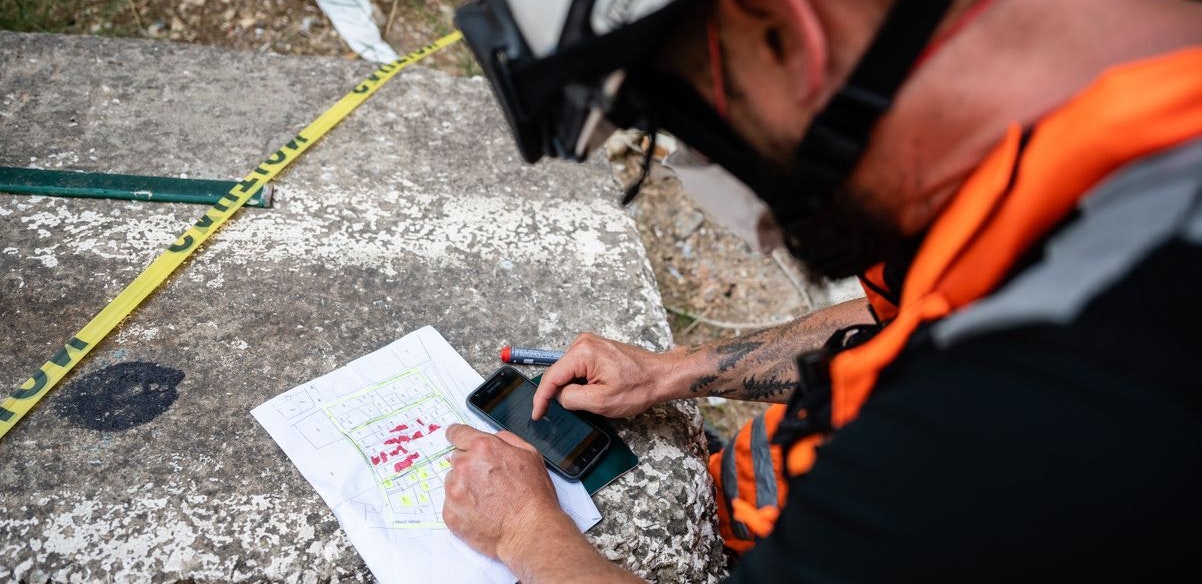
Direct actions and support to Swiss representations and partner organisations through experts of the Swiss Humanitarian Aid unit
Promoting thematic nexus approaches, such as the water-energy-food-environment nexus to address multiple challenges and strengthen livelihoods and resilience of communities
Promoting institutional nexus approaches within SDC, with collaboration between thematic cooperation, humanitarian aid, and multilateral and geographical divisions
Actively addressing areas of work where strong co-benefits are expected between C/D/E and other sectors, such as clean air measures that address climate, health, food security and environment
Strengthening cross-sectoral approaches, in particular with other Cluster Green themes (water, food systems), migration or health
Addressing and managing the pressing C/D/E challenges calls for transformative change across economic, social, political and technological systems. Adequate levels of awareness and capacity are needed to actively manage this change. Awareness raising, knowledge and capacity development are therefore essential elements and integral parts of most SDC interventions in C/D/E.
Improving the knowledge base for informed decision making through the development and dissemination of climate and weather services, applied research, etc.
Fostering science-policy dialogue to support the translation of scientific knowledge into operations and to base C/D/E interventions on sound scientific evidence
Raising awareness and developing thematic capacities of partners and beneficiaries in C/D/E
C/D/E finance
Financial support is crucial to accelerating the transition toward low-emission, climate-resilient, and environmentally sustainable development pathways. The resources required to address the costs of C/D/E risks and impacts far exceed the capacity of existing financing sources—particularly traditional public funding. The SDC is committed to mobilizing adequate and innovative C/D/E financing, including from the private sector, and to improving access to these financial resources.
Influencing the policies and operations of relevant multilateral funds in C/D/E through active participation in their governing bodies, in particular the Green Climate Fund, the Adaptation Fund, the Global Environment Facility and Santiago Network
Influencing multilateral banks and funds to integrate C/D/E into their investment policies
Assisting national and sub-national governments to improve framework conditions for and access to C/D/E finance, develop C/D/E compatible tax and subsidy systems, and mobilise public and private financing
Supporting the mobilisation of innovative sources of finance for climate, DRR and biodiversity, including private sector financethrough impact-linked finance
Looking inward: reducing the institutional footprint
C/D/E action cannot be limited to external efforts alone – on the contrary, achieving the goals of the 2030 Agenda, including ‘net zero’, requires that transformative measures begin within our own institutions. This requires critical introspection and, if necessary, external support, such as that provided by the Climate Action Accelerator. The Climate Action Accelerator, a non-for-profit initiative, aims at supporting to shift the aid, health and higher education sectors towards a radical transformation of their practices, pursuing emissions reduction targets (-50% by 2030) and a “net zero” trajectory, in line with the Paris Agreement.
Sustainability at the Federal administration / Federal Department of Foreign Affairs FDFA
The Swiss Federal administration’s resource and environmental management system RUMBA aims at reducing operational and product-related impacts. As a part of the Swiss administration, the Swiss Federal Department of Foreign Affairs FDFA plays an active role in implementing the global 2030 Agenda for Sustainable Development in Switzerland and abroad, including through making Swiss embassies (more) sustainable.
The FDFA Sustainability Platform (internal access only) provides different features and tools related to sustainability for FDFA staff.