Climate-resilient and sustainable natural resources management
Climate-resilient and sustainable management of natural resources are key elements of SDC’s work to address adverse impacts of C/D/E on people and their livelihoods.
The adverse impacts of climate change, natural hazards, and environmental degradation threaten to push vulnerable communities into poverty and keep them there. Moreover, these problems can also cause or worsen conflicts over limited resources and weaken development progress. Adaptation to changing climatic conditions and the sustainable management of natural resources have therefore long been key parts of the SDC’s work. However, as climate, disaster, and environment risks increasingly interact, these complex and cascading risks require a comprehensive approach. Such an integrated approach, with a particular focus on the Water-Energy-Food-Environment (WEFE) nexus, is very important in many regions.
🧺Themes and focus areas
- Climate resilient food systems and sustainable agricultural practices such as agroecology, agroforestry and sustainable forestry (through capacity building in climate resilient agriculture)
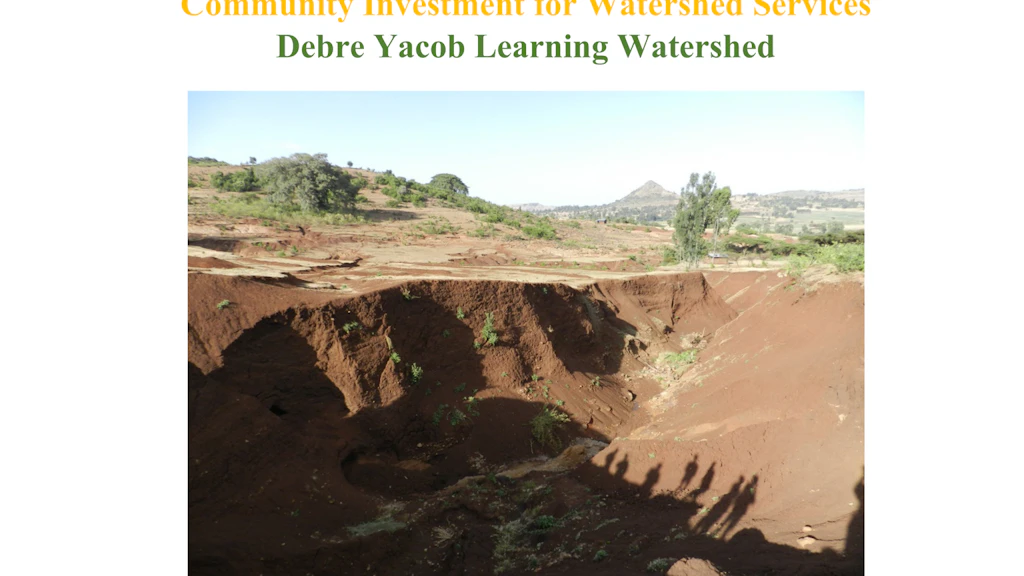
- Climate resilient, integrated management of water resources and watersheds (through support of policies and plans for climate-sensitive water resource management, training of river basin organisations; sustainable and self-sustaining water infrastructure)
- Climate and weather services for adaptation decision-making and planning
- Climate smart livelihoods
- Sustainable social- and community-based management of forests
💡Project examples
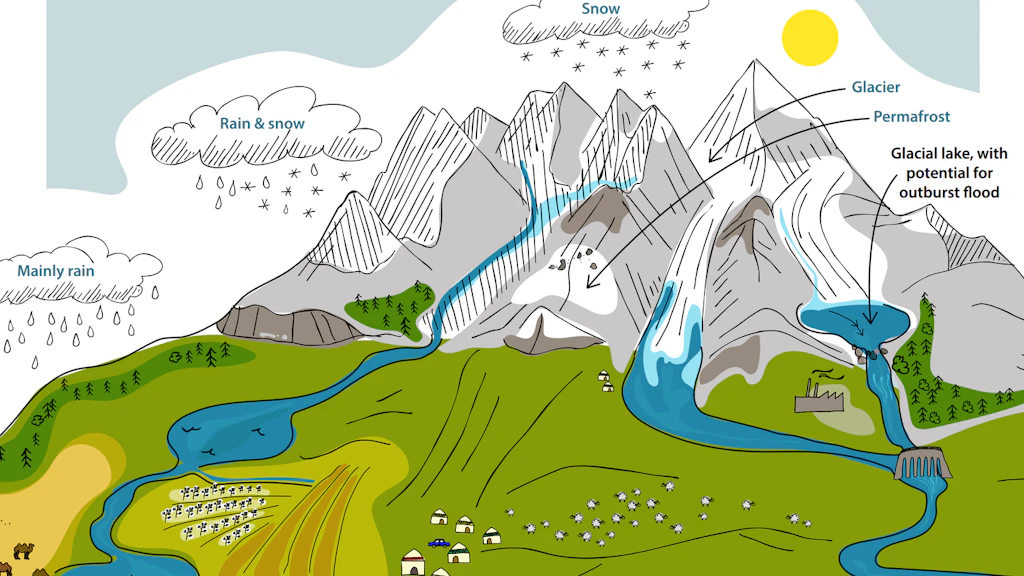
- Climate-sensitive water resources management in Central Asia: This project strengthens national and regional organisations responsible for water resources management in Central Asia to implement climate-sensitive integrated water resources management in a regionally coordinated manner.
- Strengthening the livestock sector in arid and semi-arid lands counties, Kenya: This programme contributes to poverty reduction, improved resilience to shocks and enhanced socioeconomic inclusion of pastoralist and agro-pastoralist men and women by supporting climate-smart livestock production, improving rangeland management, and promoting peaceful coexistence among communities.
- Enhancing climate resilience of vulnerable communities and ecosystems in South Sudan: Local authorities and communities are strengthened in their capacities to reduce people’s livelihood exposure, vulnerability, and resilience to floods and droughts thus increasing food production and reducing food insecurity, the displacement of people, and competition over natural resources.
- Bekaa Water Management Programme, Lebanon (direct action): This programme is increasing the technical operation and management capacity of the local water authority to better protect infrastructure and water resources and to reduce energy consumption. The ultimate goals are to provide better water and sanitation service to host communities and Syrian refugees and to reduce the potential for water-related conflicts.
👓Further Resources
Related news

International Glacier Conference 2025: Launching the Decade of Action for Cryospheric Sciences
The first International Conference on Glaciers’ Preservation took place from May 29 to 31, 2025 in Dushanbe, Tajikistan. This landmark event brought scientists and policymakers together and marked the official launch of the Decade of Action for Cryospheric Sciences (2025-2034).